
Fleas and Ticks on Dogs: How to Protect Your Dog
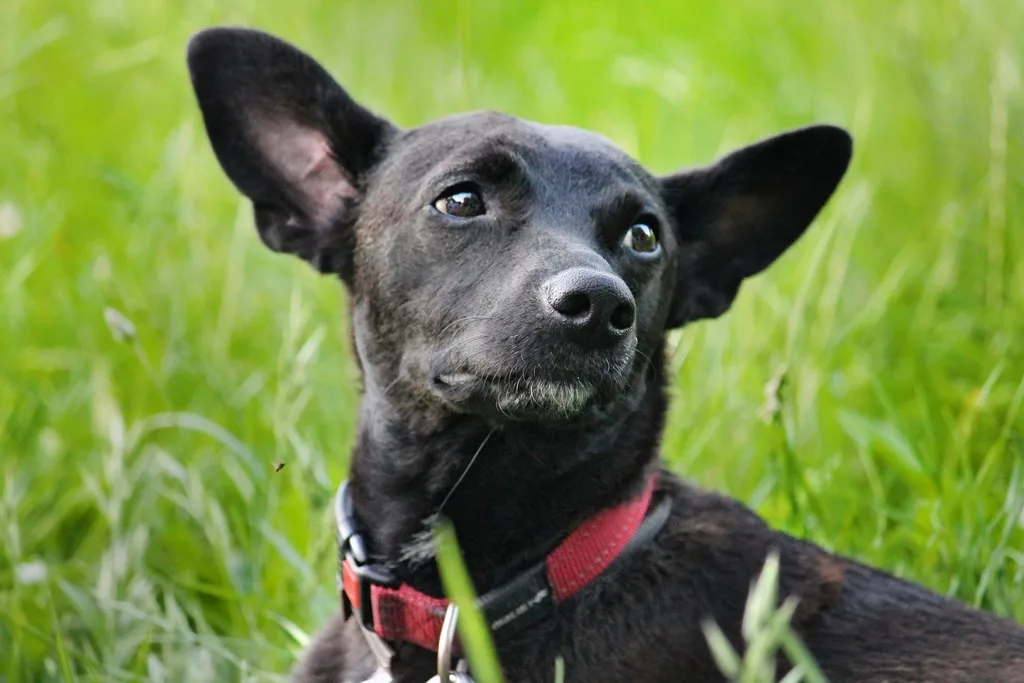
You come back from a long summer walk through tall grass, your dog happy and tired - and on him, invisible at first glance, an unwanted passenger may already be traveling. Fleas and ticks are a summer reality for every dog owner, but with a little knowledge they're easy to deal with.
Let's look at where they hide, how to remove them safely, and most importantly, how to prevent them.
Short answer: Protect a dog from fleas and ticks with regular preventives recommended by your vet, by checking the coat after every walk through grass or woods, and by keeping the yard tidy. Remove a tick with tweezers, grasping it as close to the skin as possible and pulling straight up, without twisting, according to the Merck Veterinary Manual. Fleas are recognized by the "flea dirt" in the coat.
Why are fleas and ticks a problem in summer?
Fleas, according to the AVMA, thrive when the weather is warm and humid. Ticks, per the ASPCA, are most active in late spring and summer. That's why the warm months are peak season for both parasites.
A dog most often picks up ticks in tall grass or at the border between woods and lawn, notes the Merck Manual. Keeping a dog away from such areas is one of the most effective ways to prevent them.
Where do ticks most often attach on a dog?
Ticks favor warm, hidden spots on the body. According to the ASPCA and the Merck Manual, they most often attach:
- Around and inside the ears
- Between the toes
- Around the neck and head
- In the groin and around the tail
After every walk through grass or woods, run your fingers through your dog's coat and feel these spots. A tick feels like a small bump on the skin.
How do you safely remove a tick from a dog?
This is a skill every owner should master. According to the Merck Manual:
- With tweezers, grasp the tick as close to the skin surface as possible.
- Pull straight up with steady, even pressure.
- Don't twist the tick - the mouthparts can break off and stay in the skin.
- Don't squeeze it with your fingers - the tick's contents can transmit disease through tiny abrasions.
- After removal, clean the bite site and your hands with rubbing alcohol or soap and water.
If you use a dedicated tick-removal hook (tick-twister), then a gentle twisting motion is used - but only with that purpose-built tool, never with tweezers.
Forget the "folk" methods. The Merck Manual explicitly warns that painting a tick with nail polish or petroleum jelly, or using a lit match, doesn't help - on the contrary, it can make the tick release more saliva and increase the risk of disease transmission.
What diseases do ticks transmit, and when should you see a vet?
Ticks aren't just unpleasant - they can transmit serious diseases. According to the AKC and the Merck Manual, these include Lyme disease, babesiosis, ehrlichiosis, and others.
After removing a tick, monitor the bite site. If it turns red or swells, or if part of the tick stays in the skin, see your vet. The same applies if in the weeks after a bite your dog seems lethargic, refuses food, or limps - these can be signs of a tick-borne disease.
How do you recognize fleas on a dog?
Fleas are small and fast, so they're hard to spot - but they leave traces. According to the ASPCA, signs include:
- Excessive scratching, biting, and licking
- Hair loss and scabs on the skin
- "Flea dirt" in the coat - tiny dark grains resembling ground pepper
A simple test: comb your dog with a fine-toothed comb and place the dark grains on a damp paper towel. If they smear into a reddish-brown color, that's flea dirt (digested blood), not ordinary dirt.
It's also important to know that most of the flea population - eggs, larvae, and pupae - is not on the dog, but in the environment: in carpet, bedding, and the yard. That's why treating only the dog isn't enough.
How do you prevent fleas and ticks?
Prevention is always easier than treatment. The basic steps:
- Use preventives recommended by your vet - today there are spot-ons, collars, and oral products. Leave the choice and dosing to your vet; never use a product meant for a different species or weight.
- Check your dog after every walk through grass or woods.
- Keep the yard tidy - mow the grass and remove leaves and organic debris where parasites hide.
- Wash your dog's bedding regularly and vacuum where your dog spends time. For a heavier flea infestation, treat the space on your vet's advice.
Many vets recommend year-round protection, since fleas can survive indoors outside the summer season.
Frequently Asked Questions
How do I safely remove a tick from my dog? Grasp the tick with tweezers as close to the skin as possible and pull straight up, without twisting or squeezing. Clean the bite site with alcohol or soap and water, and watch it over the following days.
Where do ticks most often attach? In warm, hidden spots: around and inside the ears, between the toes, around the neck and head, in the groin, and around the tail. Check these after every walk through grass.
What is flea dirt? Those are tiny dark grains (digested blood) that fleas leave in the coat. If you place them on a damp towel and they smear into a reddish-brown color, it confirms the presence of fleas.
Is it enough to treat only the dog? No. Most of the flea population lives in the environment - carpet, bedding, yard. So along with treating the dog, you need to wash bedding, vacuum, and, for a heavier infestation, treat the space on your vet's advice.
This article is for informational purposes only and is not a substitute for veterinary advice. Always consult your veterinarian before changing your pet's diet, medication, or treatment.