
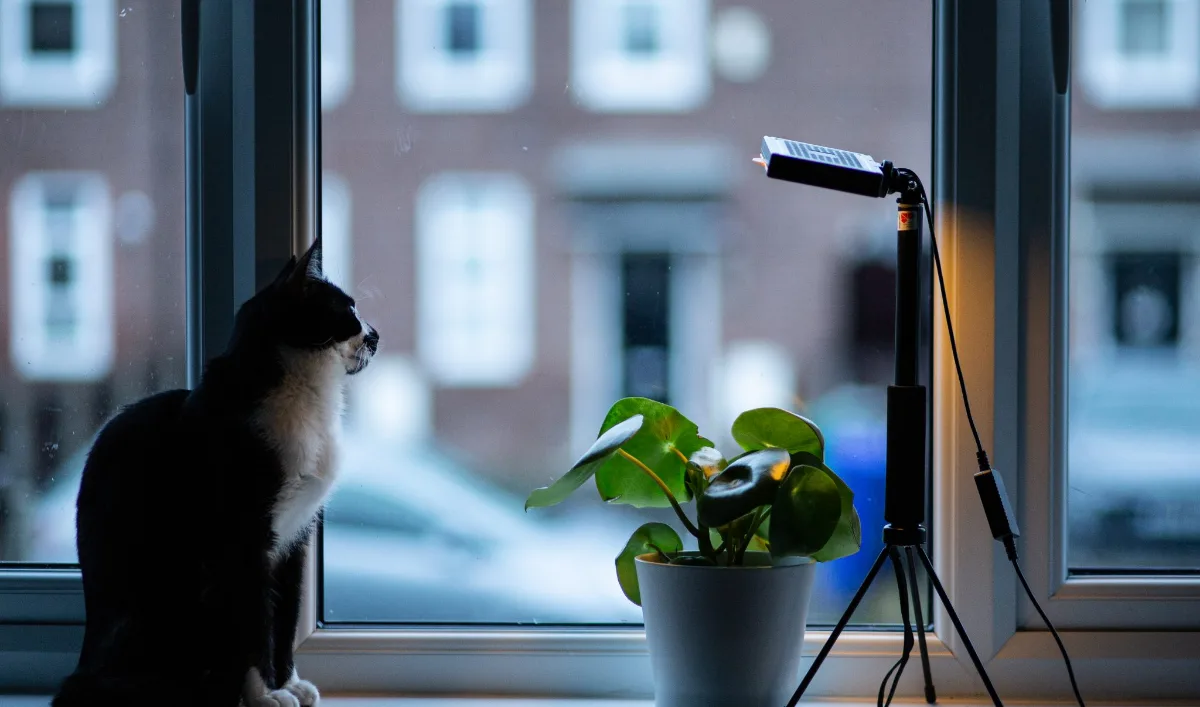
A new plant on the shelf and a curious pet
You bring home a beautiful new houseplant, or someone gives you a bouquet and you set it in a vase on the table - and a few hours later you catch your cat chewing a leaf or your dog sniffing around the pot. It looks harmless. Who would think a decorative plant could hurt a pet? The problem is that some of the most popular houseplants and everyday cut flowers are actually toxic to dogs and cats, and a few - lilies for cats especially - can be life-threatening even in a small amount.
This article isn't here to scare you. It's here so you know what's in your home and when it's time to act.
Quick answer: Many favorite houseplants, including pothos, dieffenbachia, philodendron, and peace lily, contain calcium oxalate crystals that cause mouth burning, drooling, and digestive upset in dogs and cats. The most dangerous are true lilies and daylilies (Lilium and Hemerocallis species), which can cause acute kidney failure in cats even in small amounts, and sago palm, which is seriously toxic to both dogs and cats. If you suspect your pet has eaten one of these, contact your veterinarian right away.
Which houseplants are most commonly toxic?
According to the ASPCA, a large number of popular houseplants contain insoluble calcium oxalate crystals. When a pet bites into them, those crystals cause burning and irritation of the mouth, tongue, and lips, drooling, difficulty swallowing, and general GI upset. The symptoms are usually unpleasant rather than life-threatening.
This group includes:
- Pothos (Devil's Ivy) - one of the most common houseplants of all.
- Dieffenbachia - also known as dumbcane.
- Peace Lily - despite the name, it isn't a true lily and is less dangerous, but it still irritates the mouth and gut.
- Philodendron - popular because it's so low-maintenance.
- Calla Lily
- Chinese Evergreen
Mildly toxic but still worth keeping away are the Fiddle Leaf Fig and the Spider Plant - in dogs and cats these most often cause vomiting and diarrhea.
Are lilies and tulips dangerous for cats?
This is the single most important warning for any cat owner. True lilies and daylilies - the botanical genera Lilium and Hemerocallis - are extremely dangerous specifically to cats. According to the ASPCA's list of plants toxic to cats, even a small exposure can cause acute kidney failure and death.
What makes this so insidious is how tiny the dose can be. A cat can be harmed by licking a few petals, grooming pollen off its fur, or simply drinking water from a vase that held lilies. This is why many owners never connect a bouquet with danger - but a lily in a vase is just as dangerous as one in a pot.
If you have a cat, the safest choice is to keep lilies and tulips out of the home entirely. If someone gives you a bouquet, check it for lilies before you set it down.
Why is sago palm especially dangerous?
Sago palm (Cycas revoluta) carries a very serious risk to both dogs and cats, even with a small exposure. Every part of the plant is toxic, and the seeds, or "nuts," hold the highest concentration of the toxin.
Sago palm poisoning can cause severe vomiting, liver damage and failure, low blood sugar, bleeding disorders, seizures, and death. If you grow this plant and share your home with a pet, the safest move is to remove it.
To put the scale in perspective, the ASPCA database lists 398 plants as toxic to dogs, cats, or both (386 toxic to dogs and 393 toxic to cats). That's why it's worth checking the ASPCA's searchable toxic and non-toxic plant list for any specific plant you own.
How do you know if your pet ate a toxic plant?
Symptoms depend on the plant, but watch for the following signs, especially if you notice chewed leaves or a knocked-over pot:
- Increased drooling and salivation
- Mouth discomfort - pawing at the face or refusing food
- Vomiting or diarrhea
- Lethargy, weakness, or unusual sluggishness
- Difficulty breathing
- In cats after contact with a lily: vomiting, loss of appetite, and lethargy
With high-risk plants like lilies and sago palm, don't wait for symptoms to develop. With cats and lilies, act on the exposure alone, not just on visible signs of poisoning.
What should you do if your pet eats a toxic plant?
If you suspect your dog or cat has eaten a toxic plant, stay quick and calm:
- Remove the rest of the plant from your pet's reach and, if you can, gently clear any pieces from its mouth.
- Note which plant it was and, if possible, bring a sample or photo - it helps your vet identify it.
- Contact your veterinarian or nearest emergency vet clinic immediately. Don't rely on foreign poison-control phone lines - call your local vet.
- Don't try to induce vomiting on your own without a vet's guidance.
A few simple habits prevent most of the trouble:
- Keep any plant of uncertain safety out of reach - in hanging planters or in rooms your pet can't access.
- Research a plant's pet-safety before you bring it home.
- Keep a note of exactly which plants are in your home, so you can identify the culprit fast in an emergency.
- Watch cut flowers and bouquets closely - many people don't think of a bouquet as a "houseplant," but a lily in a vase is just as dangerous.
In your pet's digital health record on Moja šapa you can keep a log of allergies and sensitivities, which can help your vet in an emergency.
Frequently Asked Questions
Is a peace lily as dangerous as a true lily? No. Despite the name, the peace lily is not a true lily and does not cause kidney failure. It contains calcium oxalate crystals that irritate the mouth and gut, so it's still best kept out of reach.
Can lily pollen harm a cat? Yes. Even pollen a cat licks off its fur or paws can be dangerous, which is why true lilies and daylilies are a risk to cats even when the cat hasn't directly eaten the plant.
Which plants are safe for dogs and cats? The ASPCA maintains a list of non-toxic plants, which includes, for example, many true ferns and palms that are not sago palm. Always check the specific plant against the ASPCA database before bringing it home.
Does a small nibble always mean poisoning? With calcium oxalate plants, a small amount usually causes discomfort rather than a life-threatening reaction. With lilies in cats and with sago palm, however, even a small amount can be serious, so always act in those cases.
This article is for informational purposes only and is not a substitute for veterinary advice. Always consult your veterinarian before changing your pet's diet, medication, or treatment.