
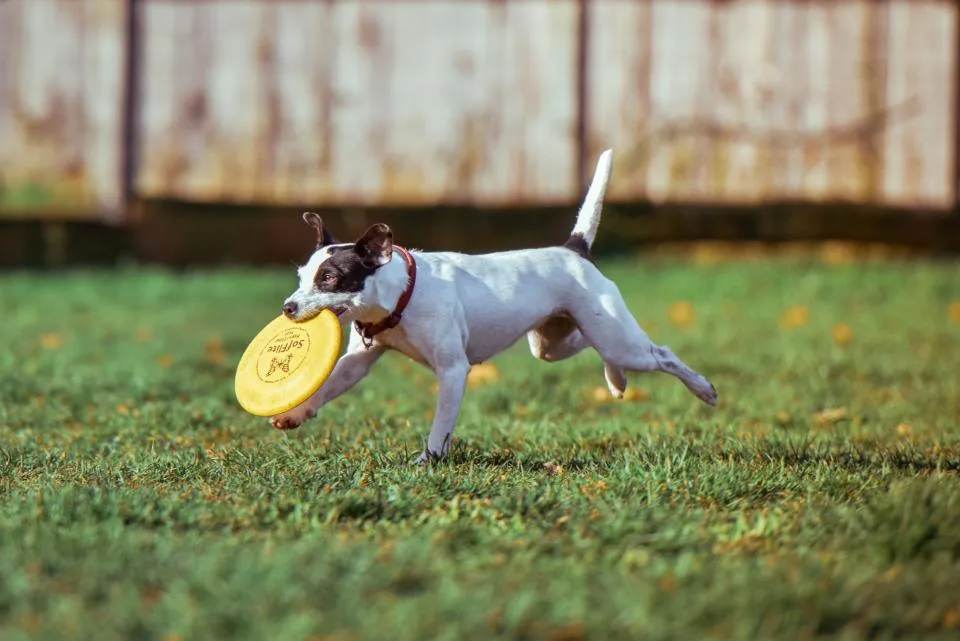
You are walking in the park, your dog catches a scent on the far side of the path and takes off. You call once, then again, and it is as if he cannot hear you. Most owners live through that moment at least once, and the good news is that coming when called is a skill, learned one small step at a time like any other.
Short answer: Teach recall with rewards, not force. Start in a quiet room, reward your dog every time he comes, and only then add distance and distractions slowly. Never call your dog to scold him, because that teaches him to stay away from you.
Why does recall matter more than most commands?
Sit and down are handy, but recall is the cue that puts you back in touch with your dog when it counts. Until it is reliable, your dog is safest on a leash or in a securely fenced area. VCA Animal Hospitals notes that you can practice indoors and outdoors as long as a puppy is in a safe fenced area or on a 6-foot leash.
The cue itself is flexible. The American Kennel Club (AKC) says you can use your dog's name or the word "come". If you are still on the basics, see our guide on how to teach a dog to sit.
What do you need before you start?
The list is short:
- a quiet room or a calm corner of the yard, with no distractions
- rewards your dog truly loves (AKC mentions chicken, cheese and freeze-dried beef liver)
- a leash now, and a 20-foot or 30-foot long line later
- patience and short sessions
Your tone matters too. AKC puts it plainly: if you sound angry, harsh or even just boring, why would your dog be interested?
How do you teach a dog to come when called, step by step?
AKC recommends starting in a quiet environment with your dog on a leash. The order is simple:
- In a quiet room, say "come" (or your dog's name) in a cheerful voice and reward him the moment he moves toward you.
- When he arrives, give plenty of praise, petting and play, plus a treat or a toy.
- For extra encouragement, run backwards as you call, so that coming to you feels like a little game.
- Add distance, but first in the same quiet space. Then change rooms, then go to the yard.
- Outdoors, move to a long line. It is there to control the situation, not to reel your dog in.
- Only when recall works in the yard, build up to bigger distractions: another dog, visitors, a ball.
Practice daily and raise the difficulty slowly. AKC warns that moving too quickly is likely to confuse your dog and may lead to less reliability.
What should you never do when your dog comes to you?
This is the most important rule of the whole process: coming must always pay off. Even if your dog dawdled or got into mischief first, VCA is clear: "Never call your puppy and then scold her - for any reason." Scolding after the fact is, in VCA's words, counterproductive, and any past crime should be dismissed once the dog returns.
The same goes for fun. AKC explains that calling a dog in from chasing squirrels and then shutting him indoors actually punishes him for coming when called. So:
- do not call your dog only when the walk is ending
- do not call him in order to scold him, because that teaches him to avoid you
- do call him in the middle of play, reward him, then let him go back to what he was doing
That last step is what AKC calls the Premack principle: reward first, then release your dog back to his fun. He learns that "come" does not mean "the party is over."
The UK charity PDSA adds the bigger picture: punishment causes anxiety and fear, which make animals learn slower, and the reward should come straight away.
Why doesn't my dog come when I call?
The usual reasons are ordinary. The distractions are too strong for his current level of training, or you moved ahead too fast. If you took a dog to the park after two good sessions in the living room, the step was simply too big.
If you find yourself repeating the cue, AKC says the environment may be too distracting. Go back one step to an easier place or a shorter distance. Do not chant "come, come, come", which only turns the word into background noise.
And never chase your dog. AKC is blunt about it: never chase your dog, not even for a game. Chasing quickly turns into a game of running away, and that is a game you cannot win.
Which games make recall fun?
Recall does not have to feel like an exam. AKC suggests "Find Me": once your dog has the hang of it, call him from another room, like hide-and-seek. It is fun for dogs and people alike and builds a faster response.
Another good habit is "come, then sit": once your dog runs to you happily every time, ask for a sit when he arrives, so he does not bounce off again as soon as the reward is gone. If you are also working through puppy training basics, recall slots naturally into the daily routine.
Keep sessions short. PDSA's advice is "Keep it short", because dogs lose interest or get frustrated otherwise.
How long does it take for recall to become reliable?
Honestly, a while. VCA says it can take many weeks or months of practice before a dog responds reliably around distractions. That is normal and does not mean you are doing something wrong.
Until then, one rule holds: off-leash only in safely secured areas. AKC advises letting your dog play off-leash only in such places and practicing recall within that safe perimeter.
Even with excellent training, a dog can slip away once. It helps to have a plan: a microchip is the foundation of identification, and a Moja šapa tag complements it, so whoever finds your dog can reach you with one tap of a phone. It does not replace recall training, but it shortens the road back to you. For what to do in that case, read what to do when a pet goes missing.
Frequently Asked Questions
How early can I start teaching my puppy to come?
VCA advises starting the moment you bring your puppy home, in a safe space or on a leash. Keep sessions short and playful.
What if my dog only comes when he feels like it?
Reward every arrival, however slow. Punishing a late return teaches a dog that coming back is a bad idea. Go back to easier conditions and make the reward better.
What reward should I use?
Whatever your dog loves most. AKC mentions chicken, cheese and freeze-dried beef liver, and the reward should arrive right away along with praise.
Is it fine to let my dog off the leash before training works?
No, except in a securely fenced area. Until recall is reliable, use a leash or a long line.