
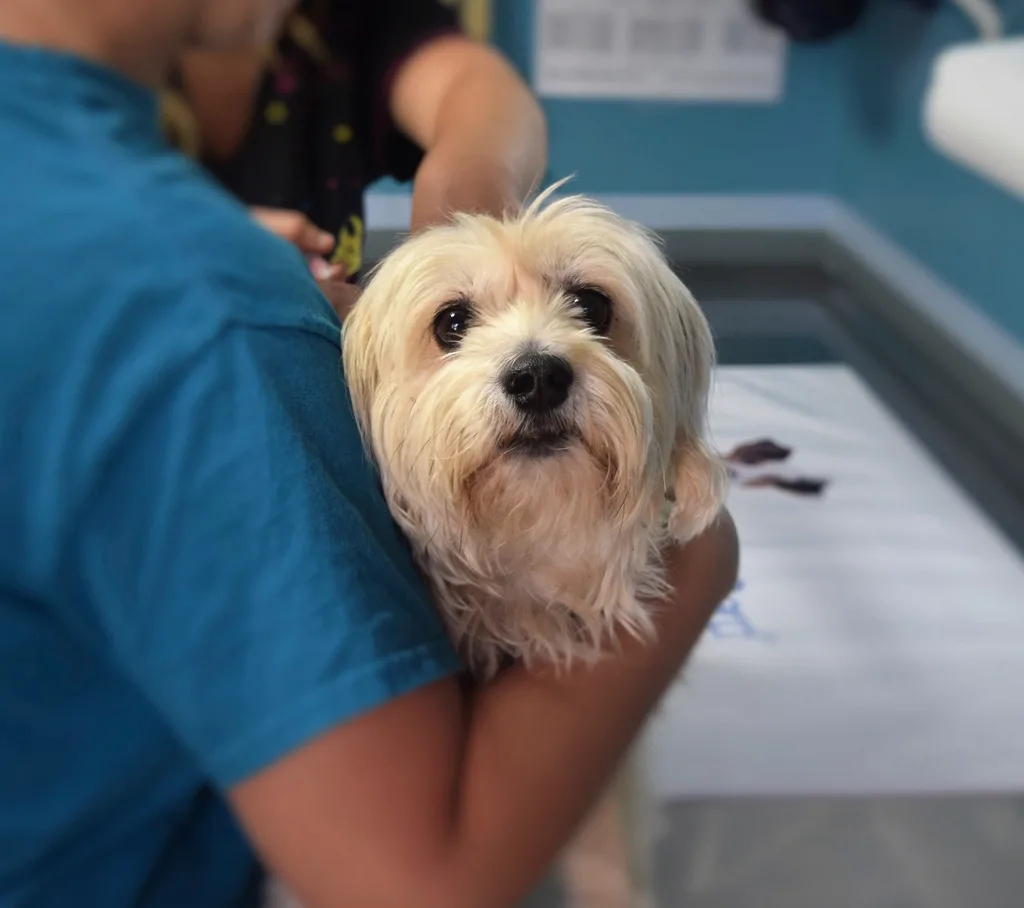
A new puppy comes home, the first week disappears in cuddles and a hundred questions, and somewhere in the middle one of them stands out: when do the shots start, and how many are there? The answer is not one date. It is a calendar that runs through the first months and then through the years that follow.
Short answer: A puppy's vaccine series usually starts at 6 to 8 weeks of age, repeats every 3 to 4 weeks, and finishes no earlier than 16 weeks. The rabies vaccine is often given between 12 and 16 weeks. Adult dogs are then revaccinated every one to three years, depending on the vaccine and the dog's lifestyle, and your veterinarian sets the exact schedule.
Which vaccines are core, and which are optional?
The World Small Animal Veterinary Association (WSAVA) defines core vaccines for dogs everywhere as those against canine distemper, adenovirus and parvovirus. Where rabies is present, it treats rabies vaccination as essential even without a legal requirement, and where leptospirosis is common it says vaccinating all dogs is highly recommended.
Other vaccines are optional extras that depend on lifestyle: boarding, lots of contact with other dogs, travel, or the region you live in. Kennel cough (Bordetella) is one example. Your vet weighs the risk and recommends only what your dog actually needs. Organizations classify some vaccines differently, so a local assessment matters.
When do puppy vaccinations start?
Most puppies see a vet for a first exam between 6 and 8 weeks of age, and that is usually when vaccinations begin. The distemper, hepatitis and parvovirus series is given at least three times, about 3 to 4 weeks apart, and it finishes at or after 16 weeks.
Why so many doses? A puppy receives antibodies from its mother, but the level varies between litters and even among puppies in the same litter. They protect the puppy early on, yet they can also interfere with a vaccine given too soon. Several doses, with the last no earlier than 16 weeks, cover every puppy no matter when its mother's antibodies faded.
A sample schedule by age
This is a general orientation, not instructions. Protocols differ between countries and between clinics.
- 6-8 weeks: first exam and usually the first dose of the core vaccine.
- 9-12 weeks: second dose, 3 to 4 weeks after the first. Your vet may suggest a leptospirosis vaccine, given with the others or separately in two doses.
- 12-16 weeks: the rabies vaccine, which is often given in this window.
- Around 16 weeks or later: the last dose of the series.
- Around 6 months or around 1 year: the first booster. WSAVA advises a booster from 26 weeks to protect the few puppies whose maternal antibodies were still interfering, while some protocols wait until 12 to 16 months. Your vet chooses between the two.
How often does an adult dog need vaccines?
After the first year the schedule usually spreads out. Adult dogs are revaccinated every one to three years, based on a lifestyle risk assessment and the vaccine itself. WSAVA stresses that core vaccines should not be given more often than necessary, because immunity from most modern core vaccines lasts for years. Most optional vaccines, according to the same source, protect for about a year.
That is why the yearly visit is not just a "shots appointment". WSAVA recommends regular health checks, usually annual and sometimes more often, because the visit covers much more than vaccination. If you want to avoid unnecessary doses, ask your vet about an antibody blood test, which in some cases helps decide the revaccination interval in adult dogs.
What about senior dogs?
We found no separate vaccine rules for older dogs that apply everywhere, so there is no preset age at which vaccination stops. A regular exam with a vet who knows your dog's health, medication and lifestyle remains the most reliable guide in old age. If your dog has a chronic illness or is on treatment, tell your vet before any vaccination.
What is required in Serbia?
According to a 2016 summary of the regulations, a dog owner must enable the animal health program, which includes rabies vaccination, and must have the dog permanently identified with a microchip. Regulations change, and the age from which the vaccine is mandatory and how often it is due are set by the program in force that year. So confirm this with your vet, who knows which rules currently apply.
If you travel, note that in June 2026 it was reported that pets from Serbia no longer need a rabies antibody test to enter the EU. A microchip, a valid rabies vaccination and a proper veterinary certificate are still required. You can read more about chipping in our article on microchipping pets.
What is a normal reaction after a vaccine?
Most dogs have mild effects: redness, slight swelling and tenderness at the injection site, a little less energy, a smaller appetite or a low-grade fever. If these last more than 24 hours, or your dog seems very uncomfortable, call your vet.
A small lump at the injection site is common. It should begin to shrink and vanish within about 14 days. If the swelling lasts longer than three weeks, grows or becomes more painful, have the vet look at it.
Serious reactions are less common, but they appear within minutes to hours and need immediate veterinary care. The signs are:
- collapse or fainting
- difficulty breathing
- persistent, severe coughing
- hives, meaning small, raised, itchy red bumps
- swollen or puffy eyes, muzzle or face
- persistent vomiting or diarrhea
So it is wise to keep an eye on your dog after the shot and to know who to call if something changes.
How do you avoid missing the next dose?
A forgotten date can easily throw the schedule off. Record each vaccine in the passport or health record as soon as it is given, and book the next appointment right away. You can also keep the dates in the health record in the Moja šapa app, which remembers when the next dose is due.
Remember other protection too. Vaccines do not protect against fleas and ticks, so read our guide to flea and tick protection for dogs.
Frequently Asked Questions
Does a dog that never leaves the apartment need vaccines? Yes. WSAVA recommends core vaccines for all dogs, adjusted for lifestyle and region. Your vet will also decide which optional vaccines make sense.
Can a puppy go outside before the vaccine series is finished? That depends on the risks in your area and on the puppy's condition, so ask your vet at the first visit. They will tell you where and with whom the puppy can mix while protection is still incomplete.
What if the booster date has passed? Do not guess what is needed. Call your vet, who will use your dog's age, previous doses and risk to decide whether one dose is enough or part of the series should be repeated.
Is the kennel cough vaccine mandatory? It is not a core vaccine but an optional one, recommended by a vet when the risk is higher. Boarding facilities and dog schools often ask for proof of it, so check what the place requires in advance.
This article is for informational purposes only and is not a substitute for veterinary advice. Always consult your veterinarian before changing your pet's diet, medication, or treatment.